Not Just Answers in KAP Surveys
In research, understanding not just what people do but why they do it is the actual driver for change. The customers voted a 5 star rating, from here, we would like to know why. Is it for excellent service? The great prices? KAP surveys are designed to answer all these questions. For years, KAP (Knowledge, Attitudes, and Practices) surveys have been a cornerstone of data collection, providing valuable quantitative insights into what communities know, believe, and how they behave. However, as the article from OGC Global, "Beyond the Numbers of Qualitative Research," points out, the numbers alone can be misleading. To truly grasp the motivations that drive behavior, we must look beyond the statistics and embrace the power of qualitative research.
The Limits of a purely Quantitative Approach in KAP Surveys
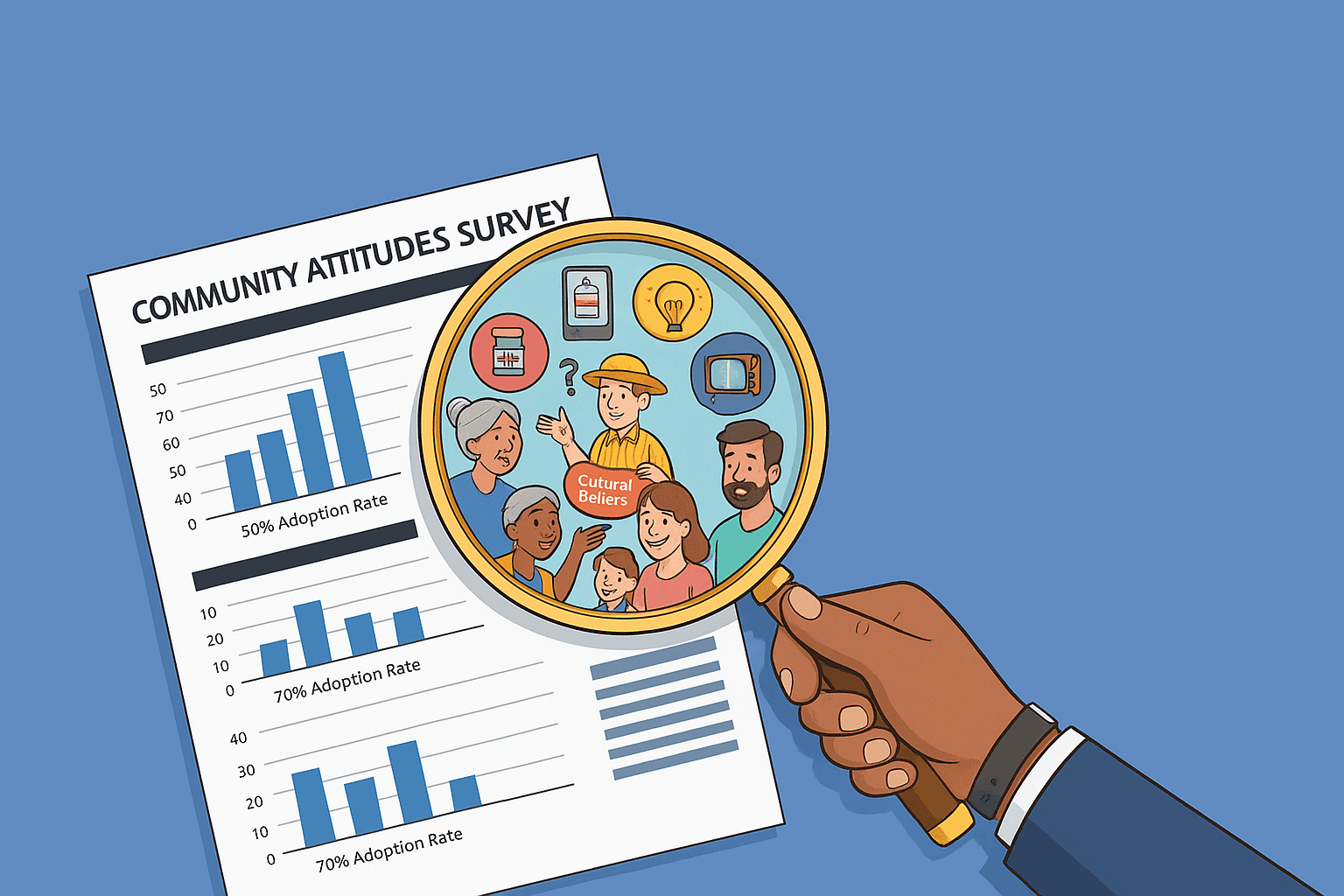
A survey might tell you that only 30% of a community is adopting a new hygiene practice. This is a critical piece of information, but it's only half the story. It doesn't tell you why the other 70% aren't. Is it due to a lack of awareness? Deep-seated cultural beliefs? Practical barriers? Without understanding these underlying motivations, any intervention is likely to be a shot in the dark. This is where KAP qualitative research shines. It provides the context, the narrative, and the "why" behind the numbers, allowing for more targeted and effective strategies.
Integrating Qualitative Methods for Deeper Insights in KAP Survey Data Collection
To move beyond the numbers, we need to integrate qualitative methods into our KAP survey data collection. This doesn't mean abandoning quantitative data, but rather enriching it with a deeper layer of understanding. Here are some qualitative techniques that can be seamlessly integrated:
- In-depth Interviews: One-on-one conversations with community members can provide rich, detailed insights into their personal experiences, beliefs, and motivations.
- Focus Group Discussions: Bringing together small groups of people for a facilitated discussion can uncover shared cultural norms, community dynamics, and collective attitudes that might not surface in individual interviews.
- Observational Research: Sometimes, the best way to understand behavior is to observe it in its natural context. This can reveal discrepancies between what people say they do and what they actually do.
By combining these qualitative methods with the quantitative data from a survey, we can create a much more holistic and nuanced picture of the community we are trying to understand.
The Power of a Modern Attitudes Surveys Platform
The good news is that you don't need great expertise to start incorporating qualitative methods into your research. Modern community attitudes survey platforms like kapsurvey.com are increasingly designed to handle both quantitative and qualitative data. Many of these platforms offer features such as:
- Open-ended questions: Allowing for free-text responses that can be analyzed for themes and patterns.
- Video and audio responses: Capturing the tone and emotion behind the words.
- Integrated analysis tools: Helping you to make sense of your qualitative data and identify key insights.
KAPsurvey offers a free trial, allowing you to explore these features and see how they can enhance your research without a significant upfront investment.
Conclusion: From Data to Actionable Insights
The article from OGC Global serves as a powerful reminder that in research, as in life, the "why" is often more important than the "what." By moving beyond the numbers and embracing the power of qualitative research, we can transform our KAP surveys from simple data collection tools into powerful instruments for understanding and change. This mixed-methods approach allows us to not just identify problems, but to understand their root causes and design interventions that are truly responsive to the needs of the community.
References
https://ogcglobal.com/beyond-the-numbers-of-qualitative-research/





