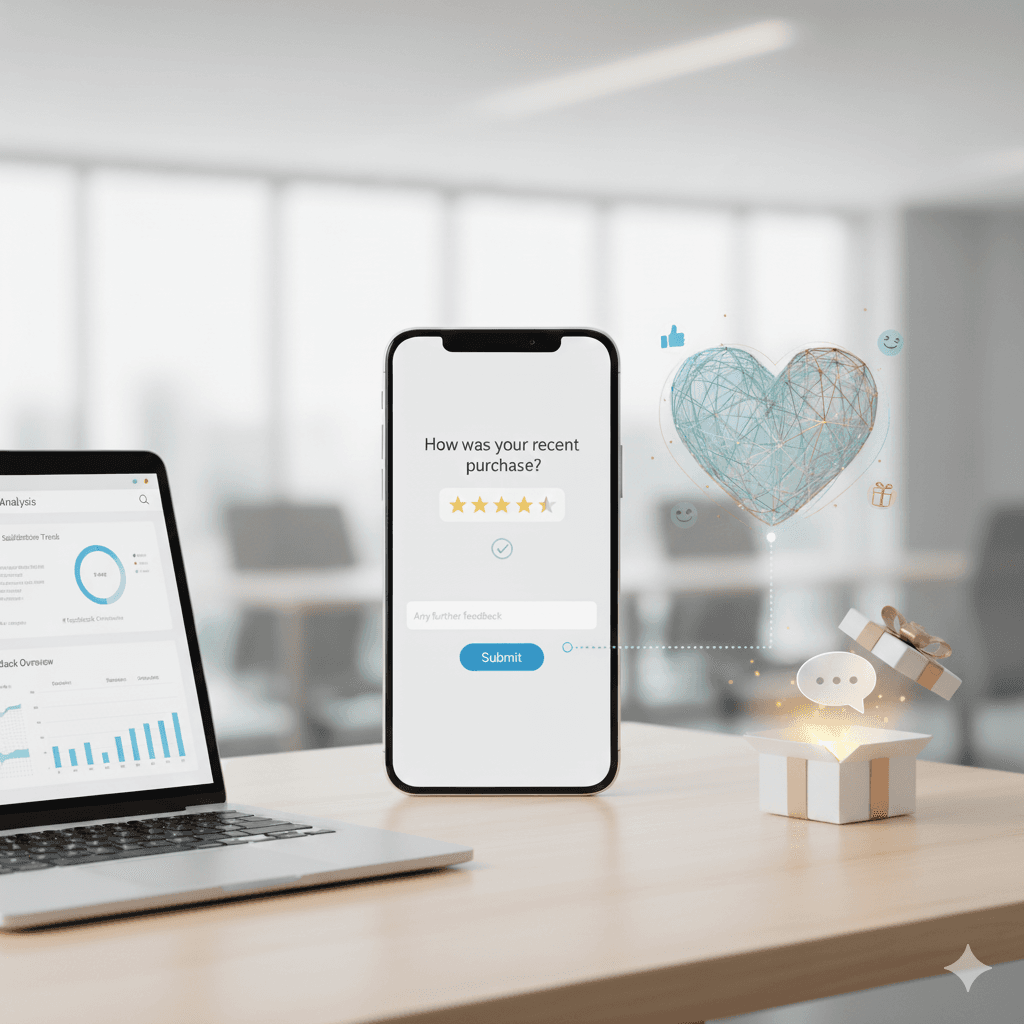
How to Use Simple Surveys to Build Loyalty
The sale isn't the end of the customer journey; it's just the beginning. Savvy businesses understand that post-purchase behavior is a critical indicator of customer satisfaction and a powerful driver of long-term loyalty. A well-timed, simple survey or rather, a "post-purchase check-in" can transform a transactional interaction into a relationship-building opportunity. By leveraging effective Survey Methodology, businesses can gain invaluable KAP Feedback and nurture customer loyalty far beyond the initial purchase.
Understanding the "Why": Beyond the Transaction
Many businesses focus heavily on attracting new customers, often neglecting the goldmine of insights available from their existing base. A post-purchase check-in is an excellent form of Data Collection that allows you to understand the "why" behind customer actions. Did they love the product? Was the delivery smooth? What could have been better? These aren't just polite inquiries; they are strategic KAP questions designed to uncover truths about their experience.
This type of feedback is crucial for KAP Research aimed at improving customer retention. It helps you identify pain points that might lead to churn and highlight aspects of your service or product that delight customers, which you can then amplify.
Designing Your Post-Purchase Questionnaire
The key to a successful post-purchase check-in lies in its simplicity and relevance. Your questionnaire should be concise, focusing on core aspects of the recent purchase experience. Avoid lengthy, complicated forms that can lead to survey fatigue. Instead, prioritize a few targeted KAP questions that get straight to the heart of customer satisfaction and their future intentions (Mailchimp, n.d.).
Consider questions related to product quality, ease of use, delivery experience, customer service, and the likelihood of recommending your brand. Utilizing a user-friendly Survey Builder can help you craft engaging and clear questions that encourage completion. Remember, the goal isn't just to gather data, but to make the customer feel heard and valued.
Optimizing Delivery for Maximum Engagement
Timing is everything. Sending a post-purchase survey too early might not give the customer enough time to use the product, while sending it too late could mean their memory of the experience has faded. The ideal window often falls a few days to a week after delivery or service completion, depending on your product (Mailchimp, n.d.).
Beyond timing, think about how you deliver the survey. An Online Survey Tool embedded directly into an email or accessible via a clear link often yields better response rates. Ensure your Survey Platform is optimized for all devices, particularly for a Mobile Survey, as many customers will check emails and complete forms on their smartphones. Making the survey accessible and convenient is paramount.
Turning Feedback into Loyalty: KAP Analysis and Action
Collecting data is only half the battle. The real value comes from your KAP Analysis. This involves reviewing the responses, identifying common themes, and pinpointing areas for improvement. Are multiple customers reporting issues with a specific product feature? Is there consistent praise for your customer support team? These insights provide concrete direction for enhancing your offerings and operations.
The KAP Feedback gathered can directly inform business decisions, from product development to refining customer service scripts. Acting on feedback shows customers that their opinions matter, which significantly strengthens their bond with your brand. This continuous cycle of asking, listening, and acting is fundamental to building lasting customer loyalty. By embracing the post-purchase check-in, businesses can transform simple surveys into powerful tools for growth and relationship cultivation.
Reference
Mailchimp. (n.d.). Post-Purchase Behavior: A Step-by-Step Guide. Retrieved from https://mailchimp.com/resources/post-purchase-behavior/





