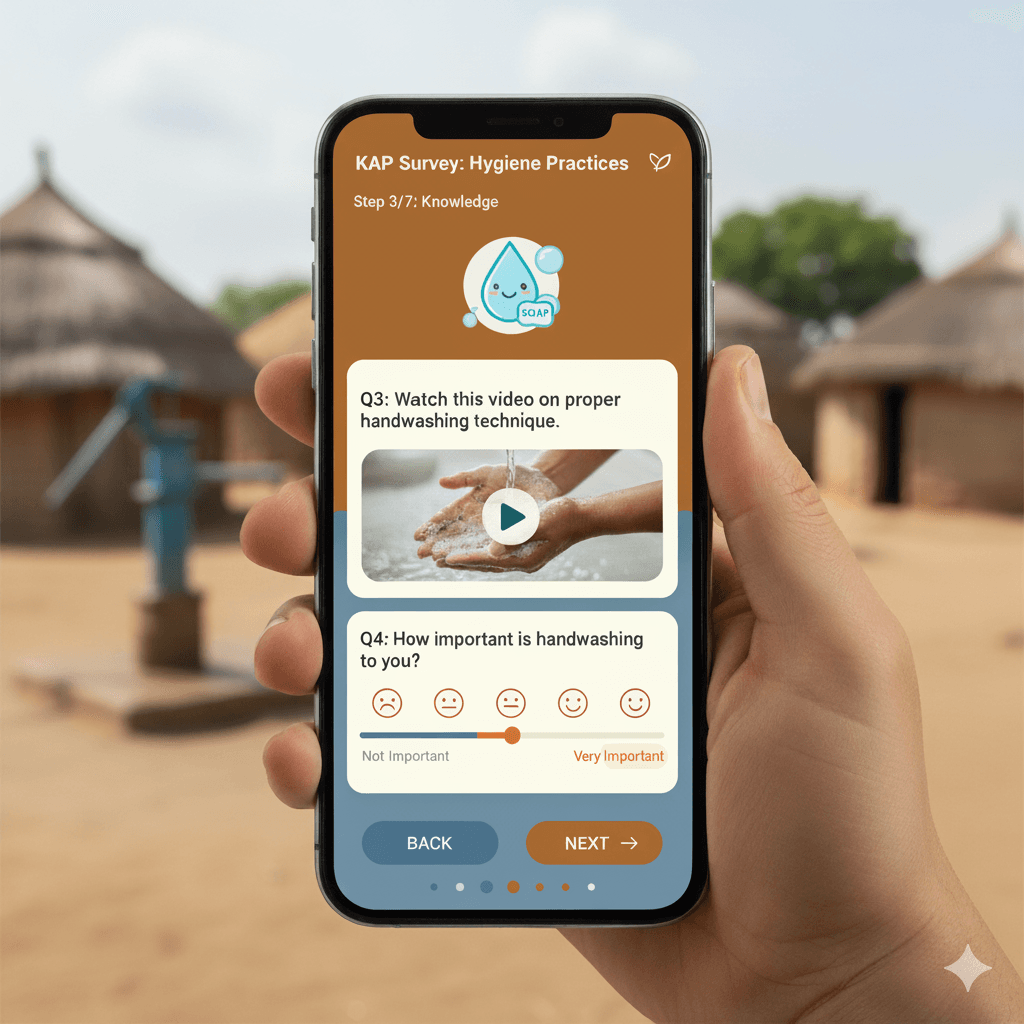
In an increasingly connected world, where smartphones have become ubiquitous, the way we collect and analyze data is undergoing a profound transformation. Traditional survey methods, once reliant on desktop computers or even pen-and-paper, are rapidly being supplanted by "mobile-first" approaches. This paradigm shift isn't just about making existing surveys accessible on smaller screens; it's about fundamentally rethinking survey design and delivery to leverage the unique capabilities of smartphones, ultimately redefining data collection as we know it.
The Rise of the Smartphone and the Need for Optimization
The statistics speak for themselves: a vast majority of internet users now access the web primarily through their mobile devices. This has profound implications for researchers, marketers, and organizations seeking to gather insights. If surveys are not optimized for mobile, they risk poor engagement, high abandonment rates, and ultimately, inaccurate or incomplete data. A clunky, difficult-to-navigate survey on a smartphone can quickly frustrate respondents, leading them to abandon the effort altogether.
Mobile-first survey design prioritizes the mobile user experience from conception. This means considering factors like:
- Screen Size and Readability: Questions and answer options must be concise and clearly legible on smaller screens, minimizing the need for scrolling and zooming.
- Touch-Friendly Interfaces: Buttons and selection areas need to be large enough to be easily tapped with a thumb, reducing accidental selections.
- Optimized Question Types: Complex grid questions or open-ended text boxes that require extensive typing are often replaced with simpler, more mobile-friendly formats like multiple-choice, slider scales, or image-based selections.
- Fast Loading Times: Mobile users expect instant gratification. Surveys must load quickly, even on slower mobile connections.
- Intuitive Navigation: Clear progress indicators and easy-to-understand navigation buttons are crucial for keeping respondents engaged.
Redefining Data Collection: Beyond Mere Accessibility
The benefits of mobile-first surveys extend far beyond simply making them accessible. They offer new avenues for data collection that were previously difficult or impossible:
- Increased Reach and Representativeness: By reaching respondents where they are – on their phones – surveys can tap into broader and more diverse populations, including those in remote areas or those who may not have regular access to desktop computers. This can lead to more representative data and a deeper understanding of various demographics.
- Higher Response Rates and Completion: When surveys are easy and enjoyable to complete on a smartphone, respondents are more likely to start and finish them. This translates to higher response rates and more complete datasets, which are vital for robust analysis.
- Contextual Data Collection (In-the-Moment Feedback): Smartphones allow for the collection of data in real-time and in context. For example, a shopper can be prompted to complete a survey about their experience immediately after leaving a store, or an event attendee can provide feedback during the event itself. This "in-the-moment" feedback is often more accurate and less prone to recall bias.
- Leveraging Smartphone Features: Modern smartphones are equipped with a range of powerful features that can be integrated into surveys:
- GPS/Location Data: To understand geographic patterns or trigger location-specific questions.
- Camera: For image-based responses (e.g., "Take a photo of the product you just purchased").
- Voice Input: Offering an alternative to typing for open-ended questions.
- Accelerometers/Sensors: For collecting passive data on activity or environment (with appropriate consent.)
KAP Survey and the Mobile Revolution
The KAP survey (Knowledge, Attitude, Practice survey), a widely used tool, particularly in public health and development, stands to benefit immensely from mobile-first optimization. Traditionally, KAP surveys often involve face-to-face interviews or paper questionnaires, which can be time-consuming, resource-intensive, and limited in reach.
By migrating KAP surveys to a mobile-first platform, researchers can:
- Rapidly Collect Data: Expedite data collection in the field, allowing for quicker interventions and program adjustments.
- Improve Data Quality: Reduce human error associated with manual data entry and transcription.
- Expand Geographic Coverage: Reach remote communities more effectively, where traditional survey methods might be impractical.
- Enhance Engagement: Present complex information or questions in a more visually appealing and interactive way on a mobile device, potentially leading to better understanding and more thoughtful responses, especially on sensitive topics related to knowledge, attitudes, and practices.
Imagine a KAP survey on hygiene practices in rural areas. Instead of a long paper form, a mobile-first version could include short videos demonstrating proper handwashing techniques (knowledge), visual scales to gauge attitudes towards cleanliness, and prompts to upload photos of household sanitation facilities (practice). This interactive approach not only makes the survey more engaging but also provides richer, more verifiable data.
Challenges and Considerations
While the benefits are clear, implementing mobile-first surveys isn't without its challenges. These include:
- Digital Divide: Ensuring equitable access for all demographics, especially in regions with limited smartphone ownership or internet connectivity.
- Privacy and Data Security: Robust measures are needed to protect sensitive respondent data, especially when leveraging advanced smartphone features.
- Technical Expertise: Designing and deploying effective mobile surveys requires a certain level of technical proficiency and understanding of user experience principles.
- Respondent Fatigue: Even with optimization, long or overly complex surveys can still lead to fatigue. Brevity and clarity remain paramount.
Conclusion
Rather than being a trend, mobile-first survey design is an operational necessity. Smartphones influence how people interact with online experiences; these interactions are quick, touch-based, and instantaneous. When researchers and platforms design for that reality, they prioritize touch-friendly user interfaces, offline support, concise flows, and channel flexibility, which enables better reach, faster results, and scalable field operations. Tools like KAPsurvey, which combine offline capture, mobile app deployment, and intelligent logic, can help manage mobile-first initiatives, especially in field settings where device variation and connectivity are crucial. Adopting mobile-first strategies by default and considering desktop as an alternative will improve your response rates, data freshness, and program agility.
References:
- Pew Research Center. (Ongoing). Mobile Fact Sheet. Regularly updated reports on smartphone adoption and internet usage.
- De Leeuw, E. D., & Hox, J. J. (2018). The Effect of Survey Design on Response Rates. In P. Biemer, L. Lyberg, & C. P. C. Snijkers (Eds.), Handbook of Survey Methodology (3rd ed.). Wiley. (General survey methodology, applicable to mobile context).
- Goodman, S., & Blanchard, C. (2014). Mobile surveys: The next wave in market research? Research World, 2014(4), 16-19.
- Kishore, J. (2017). A Dictionary of Public Health. Jaypee Brothers Medical Publishers. (For definition and context of KAP surveys).
- Schwartz, J., & Stone, P. (2017). Data Collection for Applied Research and Evaluation. SAGE Publications. (Discusses various data collection methods, including emerging technologies).





