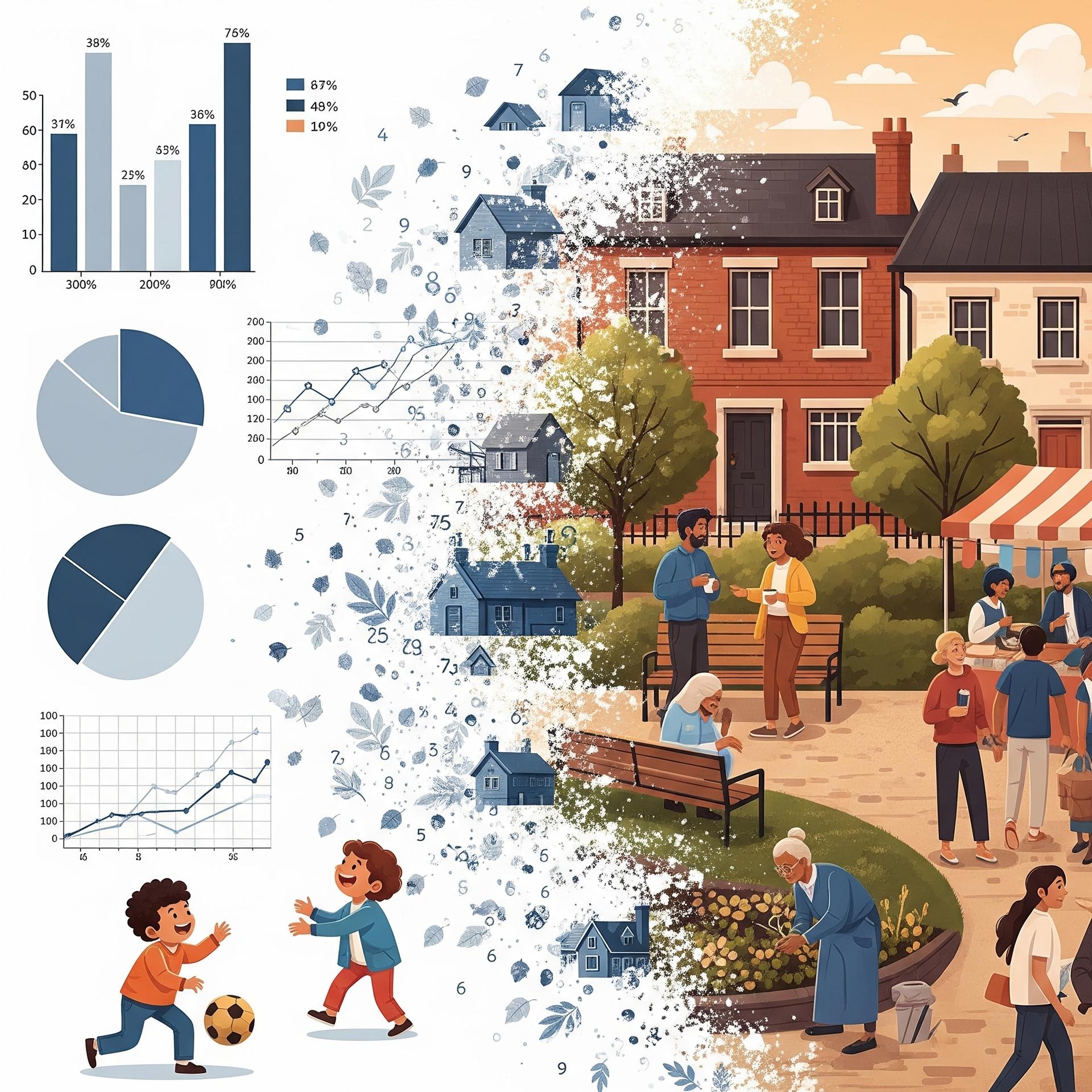
From Data Points to Deeper Understanding
In survey research, numbers often take center stage. Percentages of knowledge, rates of adoption, and frequency of practices can all paint a picture of a community’s situation. But numbers alone don’t tell the whole story. This is especially true in a KAP survey, where knowledge, attitudes, and practices must be understood not only in isolation but in the context of people’s lived realities.
The challenge? A respondent’s “yes” or “no” might look straightforward on paper, but without context, we risk drawing the wrong conclusions. For example, a high percentage of respondents who “know” about safe water practices does not automatically mean they have consistent access to clean water. This gap between knowledge and action is why context is not just an add-on to a KAP survey—it is its core.
At kapsurvey.com, we believe that moving beyond raw numbers transforms a KAP survey from a static dataset into a dynamic tool for meaningful change.
Asking Questions That Go Deeper
Effective KAP design means asking why—not just what.
A simple knowledge-based question might tell you that 85% of households understand the importance of handwashing. But a more strategic question uncovers the real barriers:
INSTEAD OF:
“Do you know that washing hands with soap prevents disease?”
TRY:
“What makes it difficult for your household to always wash hands with soap?”
By capturing barriers—such as cost, availability, or cultural norms—you generate data that’s directly actionable. Your KAP analysis shifts from describing problems to identifying solutions.
The Role of Technology in Capturing Context
Context is nuanced, and traditional paper-based surveys often fall short. With the KAPsurvey Platform, field teams can integrate technology that enriches every response:
- Skip logic: Ensures follow-up questions adapt dynamically to the respondent’s situation.
- GPS tagging: Confirms geographic disparities in practices and access.
- Multimedia evidence: Photos or audio notes capture details that words alone may miss.
By embedding these tools directly into KAP data collection, organizations ensure their surveys reflect real conditions, not just surface-level responses.
From Insights to Impact
The true value of a KAP survey lies in its ability to drive better decision-making. When numbers are backed with context, organizations can:
- Design programs that address real barriers, not assumed ones.
- Avoid costly misinterpretations caused by surface-level data.
- Deliver interventions that are more effective and sustainable.
At kapsurvey.com, our approach is built on the belief that a KAP survey is not just about collecting answers—it’s about uncovering realities. Context ensures that your KAP survey results are not only accurate but also actionable.
Final Word
Numbers matter. But without context, they risk misleading. By designing better questions, integrating smart technology, and looking beyond surface-level responses, organizations can unlock the full power of KAP surveys.
The path to stronger programs and real-world impact begins when we stop asking only what people know—and start asking why they act the way they do.