Integrating Qualitative Methods with KAP Surveys
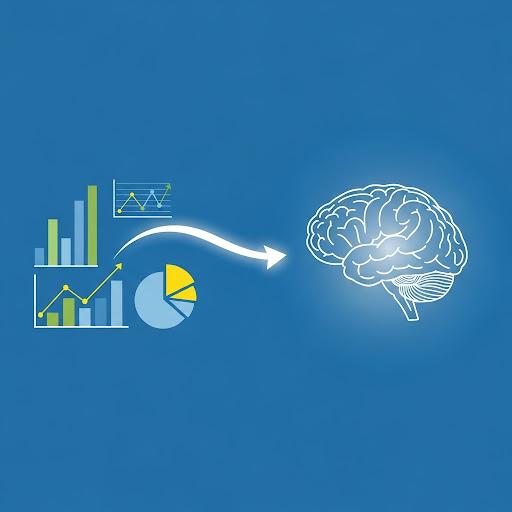
The Knowledge, Attitude, and Practices (KAP) survey is a primary tool in public health and community development. For decades, organizations have used this method to gather quantitative data, mapping what communities Know, how they feel (Attitudes), and what they do (Practices). The utility is clear: KAP surveys deliver measurable, comparable numbers that can be organized into charts and graphs, providing a snapshot of a community's landscape. These numbers help measure program impact and identify gaps. However, the data itself does not provide a complete picture.
When the Numbers Aren't Enough
Frequently, the data reveals the "KAP gap", which is the disconnect where people possess the correct knowledge but fail to adopt the desired practices. A survey may show that 90% of a community knows handwashing with soap prevents disease, yet direct observation reveals only 30% actually do it. The quantitative data shows what the gap is, but it cannot explain why it exists. This is the fundamental limitation of relying on numbers alone. A standard KAP survey is a blunt instrument, often overlooking the complex social, cultural, and economic realities that shape human behavior. It measures the "what" but leaves the "why" a mystery.
Finding the 'Why' Behind the 'What'
To understand the full context, it is necessary to go beyond the numbers. Integrating qualitative methods with the KAP survey framework transforms it from a simple measurement tool into an instrument for genuine understanding. Methods like in-depth interviews, focus group discussions, and direct observation are designed to explore the context and meaning behind the statistics. While a quantitative survey asks "how many?", qualitative inquiry asks "how?" and "why?". This approach allows researchers to hear directly from the community, understand their beliefs, and see the world from their perspective.
A Richer, More Complete Understanding
For instance, a program promoting a new agricultural technique can see high knowledge but low adoption in its initial KAP survey. The quantitative numbers, on their own, are discouraging. By conducting focus group discussions, a project team uncovers the factual barriers. These often include practical issues, such as the new technique requiring more water than is available during a dry season, or a conflict with cultural traditions tied to the harvest. Qualitative data reveals that early adopters are sometimes ostracized for breaking from community norms. These are critical insights that a multiple-choice questionnaire cannot capture. This qualitative data explains the failure of the initial approach and illuminates the path to a more effective solution.
This mixed-methods approach enriches every component of the KAP model. It deepens the understanding of Knowledge by distinguishing between official health information and deeply rooted local beliefs. It unpacks the complexity of Attitudes, revealing the social pressures and personal experiences that shape them. Crucially, it validates self-reported practices. People often report what they believe the surveyor wants to hear (social desirability bias). Observing people in their daily lives provides a more accurate picture of their actual behaviors.
From Data Collection to Real Insight
The goal of any community-based program is not just to collect data, but to foster meaningful change. While numbers provide a crucial foundation, they are only part of the picture. By integrating qualitative methods, we give voice to the community, uncover the hidden reasons behind their choices, and gain the holistic understanding needed to design interventions that truly work. The numbers tell us where to look, but the stories explain what to do.





