Beyond Assumptions
For organizations working in low-resource settings, where every decision carries significant weight, the true measure of success is impact. The question then becomes, how can we ensure our programs are genuinely effective? The answer lies in moving beyond assumptions and embracing an evidence-based approach through a powerful methodology: the Knowledge, Attitude, and Practices (KAP) survey.
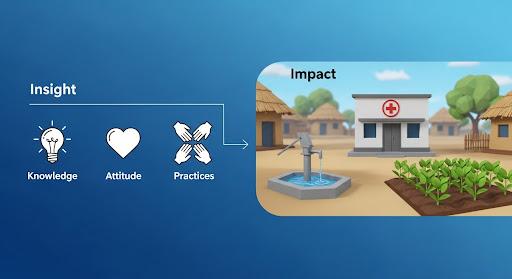
A KAP survey, or KAP assessment, is a systematic way to understand a community from the inside out. It operates on the core KAP framework, evaluating what people know about an issue, their underlying attitudes and beliefs, and their actual daily practices. For an organization navigating tight budgets and complex challenges, conducting a KAP survey isn't just a research activity; it's a strategic imperative. It provides the essential data needed to design targeted interventions, prevent costly mistakes, and turn a noble mission into a measurable success.
Laying the Groundwork
The Strategy Before the Survey
A successful KAP methodology begins long before the first question is asked. This preparatory phase is about efficiency and maximizing impact, which is paramount in a low-resource environment. The first step is a thorough review of existing data from sources like ministry of health reports, local NGO studies, or academic papers. This initial research prevents the duplication of efforts and ensures your survey will generate new, valuable insights.
With this foundation, the next step is to define a hyper-focused objective. Instead of a broad inquiry, pinpoint the one or two most critical questions your program needs answered. A narrow objective leads to a shorter, more manageable survey, which is cheaper to implement and faster to analyze. This discipline at the outset ensures the entire KAP assessment remains lean and purposeful.
Designing the Right Tools
The Art of the Questionnaire
The heart of the process lies in the KAPsurvey design. A well-crafted KAP questionnaire is the key to unlocking reliable insights, and modern KAP survey tools can be invaluable in this stage. The goal is to create simple, direct, and culturally sensitive KAP questions that get to the core of the issue. In communities with varying literacy levels, this may involve using visual aids to ensure the survey is inclusive and the data is accurate.
Crucially, pre-testing the questionnaire with a small, representative group is a non-negotiable step. This trial run identifies confusing questions or cultural missteps that could compromise your data. Correcting these issues at the design stage is free; discovering them during fieldwork is a costly disaster. A dedicated KAPsurvey platform or software can provide templates and a logical structure, streamlining this entire design process and ensuring your foundation is solid.
In the Field: Smart Sampling and Modern Data Collection
With a polished questionnaire, the focus shifts to KAP implementation in the field. This begins with a smart KAP sampling strategy. While a perfect random sample is often not feasible in low-resource areas, methods like cluster sampling offer a practical and cost-effective alternative. This involves surveying all eligible households in a few randomly selected villages, which dramatically reduces travel time.
The data collection phase itself has been revolutionized by technology. A KAPsurvey mobile application is far more efficient than traditional pen-and-paper methods, which are slow and prone to error. A mobile app allows for real-time data entry, even in offline environments, ensuring the survey data is cleaner and available for analysis almost immediately. This modern approach to KAP survey data collection is a game-changer for timely and efficient fieldwork.
Upholding Ethics in a Community Context
Conducting any assessment in a community requires a deep commitment to ethical principles, especially in settings where there may be significant power imbalances. The cornerstone of ethical research is truly informed consent, which involves a clear, respectful conversation in the local language explaining the purpose of the survey and making it clear that participation is entirely voluntary. Beyond this, it is vital to protect the confidentiality of respondents and to plan for how you will share the results. A simple community meeting to discuss the key KAP feedback demonstrates respect and reinforces that the community's voice was central to the process.
From Data to Action: Generating Meaningful Feedback
Once the survey collection is complete, the work shifts to KAPsurvey data analytics. The goal is to transform raw data into actionable insights that can guide programmatic decisions. You don't need a team of data scientists; a focused analysis of key trends and comparisons, such as differences in knowledge between men and women or barriers to access in rural versus urban areas, can reveal the most significant opportunities for intervention.
The ultimate purpose of the entire exercise is to generate clear and actionable KAP feedback. This evidence is what informs the design of more effective education campaigns, helps advocate for policy changes, and allows for the refinement of program strategies on the ground. It closes the loop, turning the insights gathered from the community into tangible actions that serve the community.
Conclusion: The Power of Evidence-Driven Impact
In a low-resource setting, a well-executed KAP survey is the ultimate tool for strategic thinking. By adopting a lean and rigorous methodology from a thoughtful design and modern data collection to insightful analysis, organizations can conduct powerful research without a powerful budget. The KAP feedback generated ensures that our efforts are well-informed, strategically targeted, and capable of creating the meaningful, measurable, and lasting change that all communities deserve.
Reference
Stop TB Partnership & World Health Organization. (2008). A GUIDE TO DEVELOPING KNOWLEDGE, ATTITUDE AND PRACTICE SURVEYS. Retrieved from http://stoptb.org/assets/documents/resources/publications/acsm/ACSM_KAP%20GUIDE.pdf