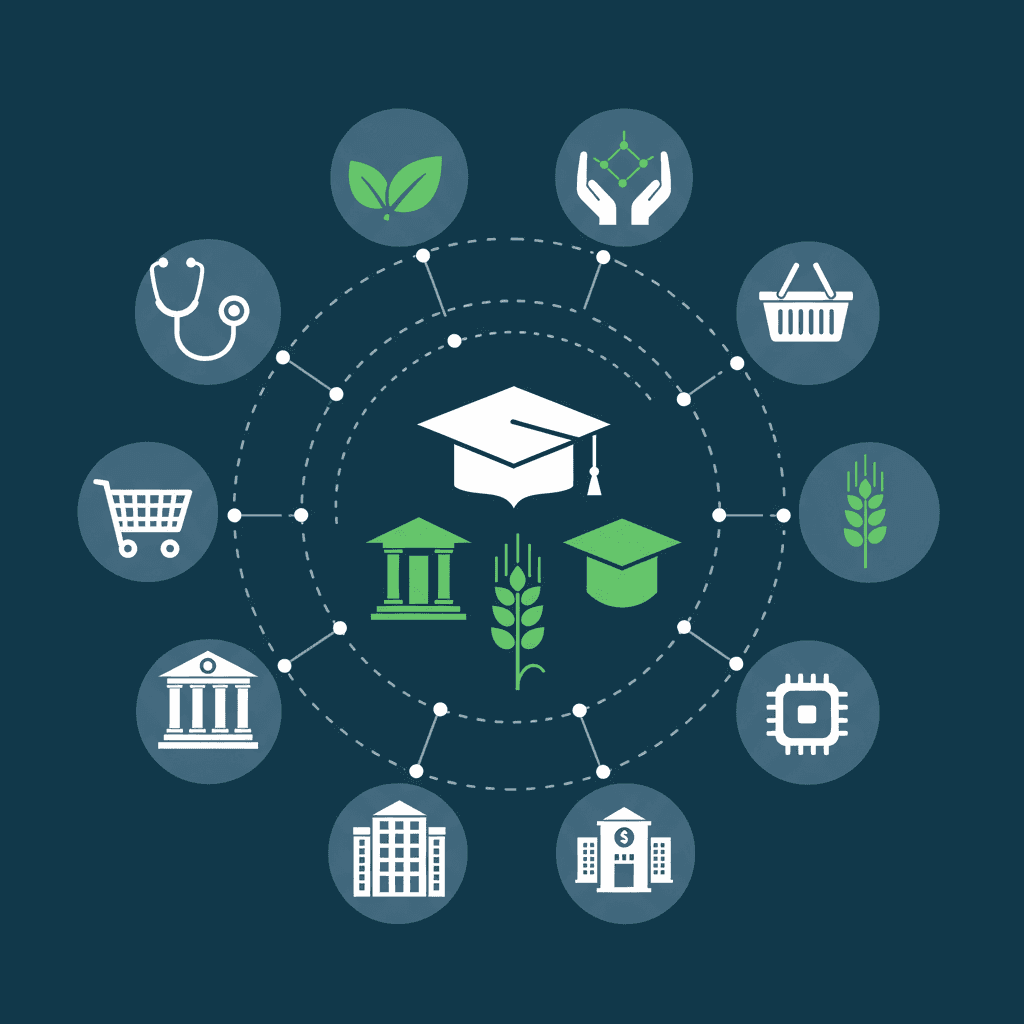
In a world driven by data, understanding human behavior is the ultimate key to success. It’s not enough to know what people do; we need to understand why they do it. This is where Knowledge, Attitude, and Practices (KAP) surveys come in. These powerful tools provide a deep dive into what a specific population knows, how they feel, and what they actually do. From public health to environmental conservation, KAP surveys are the bedrock of effective strategies and interventions. Here are the top 10 sectors that benefit the most from these insightful surveys.
1. Public Health
This is the traditional home of the KAP survey. Public health professionals rely on these surveys to tackle a wide range of issues, from infectious disease outbreaks to chronic illness prevention. By understanding the public's knowledge of a disease, their attitude towards vaccination, and their hygiene practices, health organizations can design targeted awareness campaigns and interventions that save lives.
2. Environmental Conservation
Why do people recycle? What are their attitudes towards renewable energy? Do they understand the impact of deforestation? Environmental organizations use KAP surveys to answer these critical questions. The insights gained help in creating effective conservation strategies, promoting sustainable practices, and fostering a sense of environmental stewardship among communities.
3. International Development and Aid
When a non-governmental organization (NGO) enters a community, it needs to understand the local context to be effective. KAP surveys are invaluable in this regard. They provide a baseline understanding of a community's knowledge about issues like sanitation, education, or financial literacy, their attitudes towards change, and their existing practices. This allows for the development of culturally sensitive and impactful aid programs.
4. Marketing and Consumer Behavior
In the competitive world of marketing, understanding the consumer is everything. KAP surveys help businesses get inside the minds of their customers. What do consumers know about a particular product? What is their attitude towards a brand? What are their purchasing habits? The answers to these questions inform everything from product development and branding to advertising campaigns and customer service strategies.
5. Education
The education sector uses KAP surveys to improve teaching methods and learning outcomes. By surveying students, teachers, and parents, educational institutions can gauge knowledge levels on various subjects, understand attitudes towards different teaching styles, and identify common study practices. This data is crucial for curriculum development, teacher training, and creating a more effective learning environment.
6. Agriculture and Food Security
To ensure food security, it's essential to understand the practices of farmers and the dietary habits of a population. Agricultural extension services use KAP surveys to assess farmers' knowledge of modern farming techniques, their attitudes towards new crop varieties, and their current farming practices. This helps in promoting sustainable agriculture and improving crop yields.
7. Financial Services
From banking to insurance, the financial sector benefits from understanding the financial literacy of the population. KAP surveys can reveal what people know about different financial products, their attitude towards saving and investing, and their current financial practices. This information is vital for developing accessible financial products and promoting financial inclusion.
8. Workplace Safety and Health
In industries where safety is paramount, such as construction and manufacturing, KAP surveys are essential tools. They help in assessing workers' knowledge of safety protocols, their attitude towards wearing protective gear, and their on-the-job practices. The insights from these surveys can lead to more effective safety training programs and a reduction in workplace accidents.
9. Politics and Governance
Political campaigns and governments use KAP surveys to understand the electorate. What do voters know about a particular policy? What is their attitude towards a candidate or a political party? What are their voting practices? This information is crucial for crafting political messages, shaping public policy, and strengthening democratic processes.
10. Technology Adoption
Why do some people embrace new technologies while others resist? Tech companies and researchers use KAP surveys to understand the factors that influence technology adoption. By assessing users' knowledge of a new technology, their attitude towards its potential benefits and risks, and their current usage patterns, companies can design more user-friendly products and develop effective marketing strategies.
Conclusion
In conclusion, the versatility of KAP surveys is undeniable. From public health to technology, the framework of understanding Knowledge, Attitude, and Practices provides a universal language for decoding human behavior. By moving beyond simple metrics to uncover the "why" behind people's actions, these surveys empower organizations in any sector to create more meaningful connections and drive lasting, positive change.





